Download The Brain-Based Field Guide to Learning for free.
Psychology recognises cognitive closure as the tendency to end uncertainty—often too quickly.
Thinking Tools distinguishes between premature closure and true closure, where understanding is fully constructed and stable.
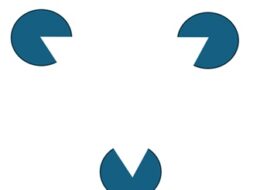
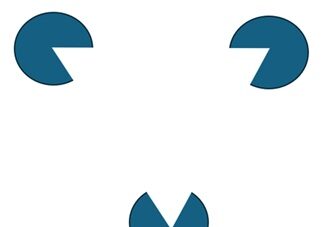
When cognitive closure happens the brain sees what it could not see before.
The challenge in most classrooms is that learning often moves on before this moment happens. Teachers explain, learners follow steps, answers are written down, but the brain may never have reached closure.
This is why learners so often say, “I understood it in class, but now I don’t.”
What they experienced was not true understanding, but exposure. They saw the process, but their brain did not stabilise the meaning.
There is a critical difference between getting the answer and reaching closure. Cognitive closure cannot be faked or rushed. It must be constructed within the brain.
Real learning does not happen in one big moment; it develops through a sequence of small closures, where each step makes sense, then the next, and then the relationships between them, until everything fits together. This is when understanding becomes stable and usable.
In mathematics, learners do not struggle with new work because it is inherently difficult. They struggle because previous learning never fully closed.
Gaps remain hidden but active, and when new work builds on unstable understanding, the difficulty compounds.
A brain-based approach to learning shifts the focus away from simply getting the answer and toward ensuring that the brain reaches closure. It emphasises slowing down at the right moments, asking the right questions, and building understanding step by step so that each idea truly clicks before moving on.
The brain does not learn through exposure; it learns through closure. Every learner deserves to experience that moment when everything finally makes sense, because that is where confidence begins, understanding stabilises, and real learning takes place. Thinking Tools exists to guide learners toward that moment — where understanding does not just appear correct, but genuinely clicks.